

Greater Houston Communities
Discover the neighborhoods that make the Houston Metroplex home.
Greater Houston is not one market — it is dozens of them, spread across several counties, school districts, and taxing authorities. The pages below cover the areas I work in most. What follows is the framework I use with clients who are choosing between them.

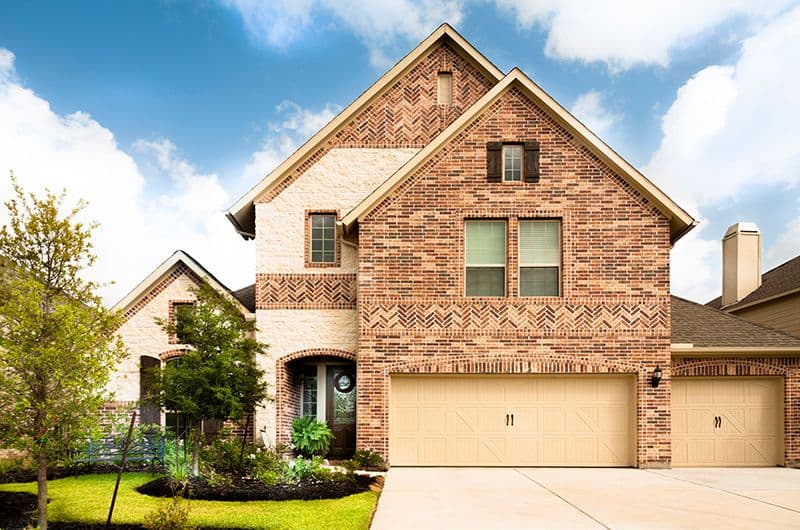
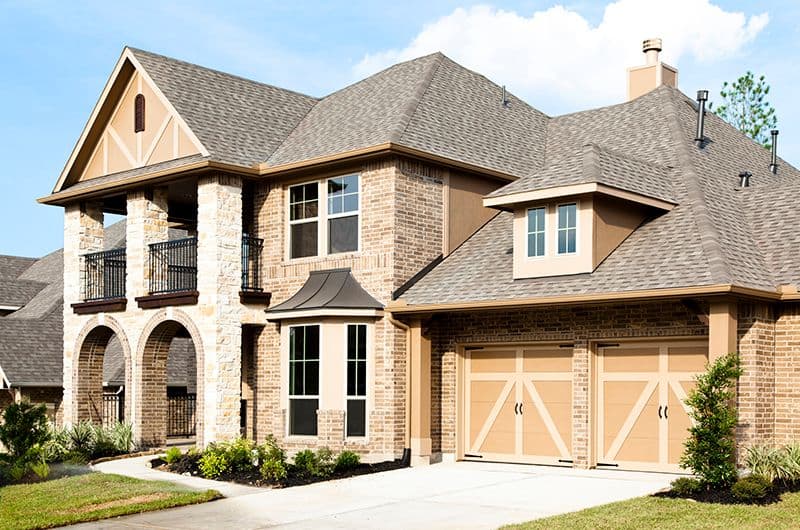
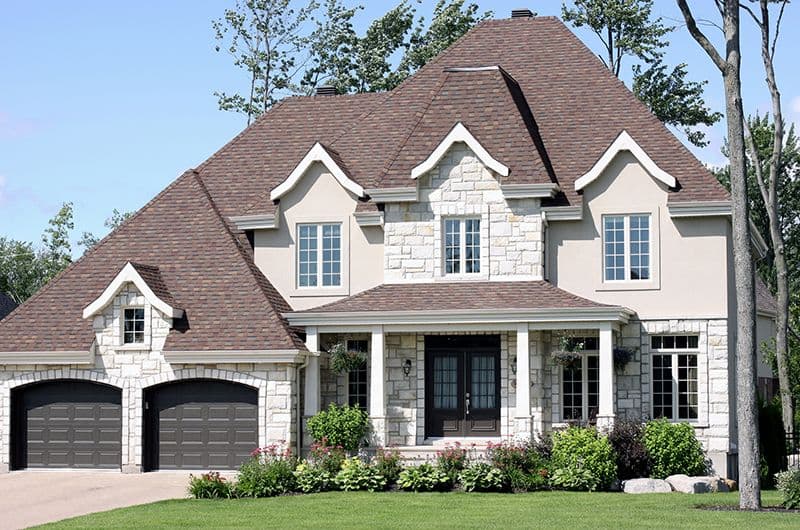
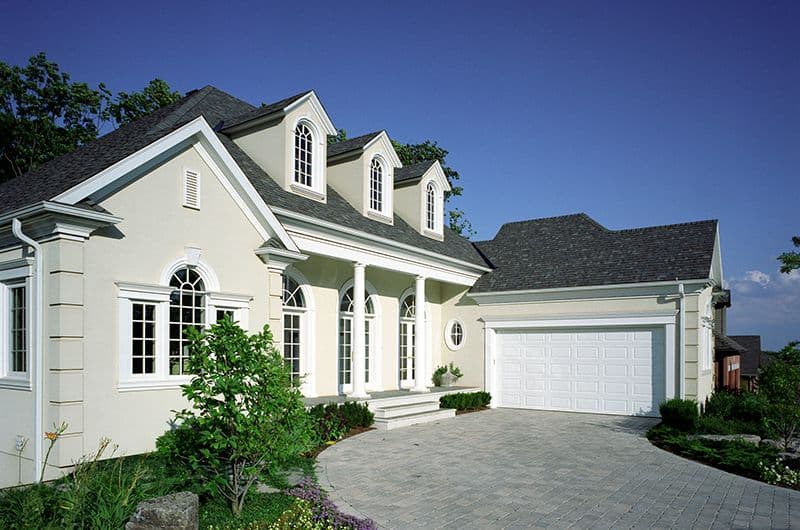

County lines matter more here than people expect
The areas on this page span Fort Bend, Harris, and Brazoria counties, and county lines affect property tax rates, which appraisal district assesses your home, and which authorities you deal with. Some cities in the region straddle more than one county, so two homes in the same named community can sit in different counties.
Independent school district boundaries are drawn separately again and do not follow city or county lines. It is entirely normal for a home with a given mailing address to be zoned to a district named after a different city.
What to compare between two areas
The combined property tax rate for a specific address, including any Municipal Utility District — MUD rates vary by district and generally decline as the district's bonds are paid down, so newer developments often carry higher rates than established ones nearby. The recorded deed restrictions for the subdivision, since Houston has no conventional zoning and protection against incompatible neighboring uses varies block to block.
Then the practical ones: current school attendance zoning confirmed with the district for that exact address, the property's floodplain designation, HOA dues and what they cover, and your actual commute at the hours you would drive it rather than at midday.
Frequently Asked Questions
Which Houston-area communities does LaShambra Ewing serve?
+
Sugar Land, Katy, Pearland, Cypress, Richmond, Manvel, Missouri City and Houston itself, plus the wider Fort Bend and Harris County areas around them.
How do I compare property taxes between two Houston-area communities?
+
Look at the combined rate for the specific address rather than the county rate alone. Texas property taxes are levied by several overlapping entities — county, city, school district, and often a MUD and other special districts. Because MUD rates vary by district and decline as bonds are paid off, two similar homes a mile apart can carry noticeably different monthly costs.
Does a home's mailing address tell me which school district it's in?
+
No. Independent school district boundaries are drawn separately from city and county lines, so a home can have one city's mailing address and be zoned to a district named after another. Attendance zones are also redrawn periodically, so confirm current zoning with the district for the exact address.
Is Houston itself a good option, or should I look at the suburbs?
+
It depends on which tradeoffs matter to you — commute, lot size, school district, tax rate, and how much the absence of conventional zoning in the City of Houston concerns you. That last point is worth understanding: inside the city, land use is governed by private deed restrictions recorded per subdivision rather than a city-wide code, so protection varies from one neighborhood to the next.
