
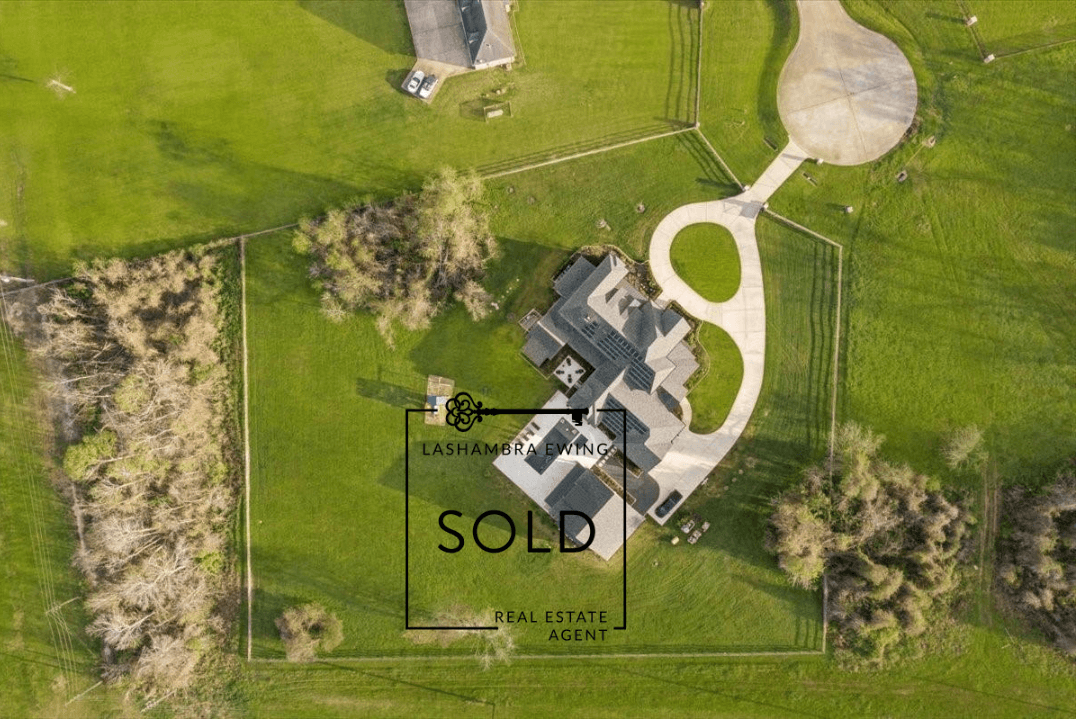
An acre is not a bigger yard. It's a different transaction.
I've closed a run of acreage properties over the last few months — every one of them on an acre or more, the largest at 18. Different buyers, different price points, and in almost every case the thing that decided the deal had very little to do with the house. It was the land: what's buried in it, what runs under it, and what somebody wrote about it years ago in a document nobody read closely.
Here's what I check, in the order I check it.
1. Where does the water come from?
City water is a bill. A well is a system you own. Ask for the well log, the depth, the flow rate, and a current water test. Ask when the pump was last replaced, because pumps are not cheap and they don't announce themselves ahead of time.
If the well is shared with a neighbor, there should be a written agreement saying who maintains it and who pays for it. "We've always just worked it out" is not an agreement.
2. The septic system is not a footnote
Most acreage out here runs on an on-site sewage facility. You want the permit, the design, the last service date, and confirmation the system was permitted for the bedroom count the house actually has. A four-bedroom home sitting on a system permitted for two isn't a quirk. It's a repair, and somebody at the table is going to pay for it.
A septic inspection is usually separate from your general home inspection. Order it early and don't talk yourself out of it.
3. Get a new survey, not the old one
The survey from the last sale tells you what was true years ago. Since then fences have moved, sheds have gone up, and somebody's driveway may have gotten creative. A current survey shows the actual boundary lines, the improvements, and anything sitting where it shouldn't be.
Fences are not property lines. I will say that on every acreage deal I ever do.
4. Read the easements — and read where they run
Utility, pipeline, drainage, access. In this part of Texas easements are ordinary, not alarming, but they come with rules about what can be built where and who has the right to come onto the land. If you're picturing a shop, a barn, a pool or a second driveway, find out where those lines run before you buy — not after you've priced the concrete.
5. Understand the ag valuation and what the land is allowed to do
If the property carries an agricultural valuation, that valuation is attached to how the land is used — not to the address. Change the use and rollback taxes can follow. Deed restrictions and county rules may also have opinions about livestock, subdividing, or running a business from the property.
Ask the county appraisal district what's on file, and take the tax question to a tax professional. That's their lane, not mine.
6. Financing and appraisal work differently out here
Fewer comparable sales. Outbuildings and improvements that don't slot neatly into a standard appraisal. Lenders whose programs treat land and acreage differently than a lot in a subdivision. None of that is a problem — it's a reason to have the conversation with a licensed lender at the very beginning instead of twenty days before closing.
7. Selling acreage means marketing three things, not one
The home, the improvements, and the land. The land is the part that routinely gets ignored. Interior photos alone will undersell a property whose entire point is what's outside the walls, and the buyer pool for acreage is smaller, more specific, and searching in different places than the one shopping for a house on a quarter acre.
Straight talk: if the marketing plan for your 15 acres looks identical to the plan for a lot in a subdivision, it isn't a plan. Ask what's different about it before you sign a listing agreement — with me or with anybody else.
Land rewards patience and the boring questions asked early. If you're thinking about buying or selling a home on acreage anywhere across Fort Bend or Harris County — Richmond, Manvel, Katy, Cypress and out past them — I'd be honored to walk it with you. Bring your questions about the dirt. Those are my fave.
If you have any questions, call me — 281.944.5484. LaShambra Ewing, MBA, Broker Associate, Keller Williams Realty Southwest. Serving Houston and surrounding communities.